What is Public Cloud in Azure? Pros and Cons
Learn what public cloud is, its key advantages like scalability and agility, and important considerations for adoption in Microsoft Azure.
The public cloud is a fundamental concept for anyone preparing for the Microsoft Azure Fundamentals (AZ-900) exam. Here’s what you need to know.
What is Public Cloud?
Public cloud is a deployment model using shared infrastructure hosted by cloud providers like Microsoft Azure. It’s the most common cloud deployment model.
A key characteristic is the multi-tenant environment: many organizations share the same physical infrastructure while remaining isolated and secure. This allows companies to rapidly adopt cloud services since the provider has everything ready to go.
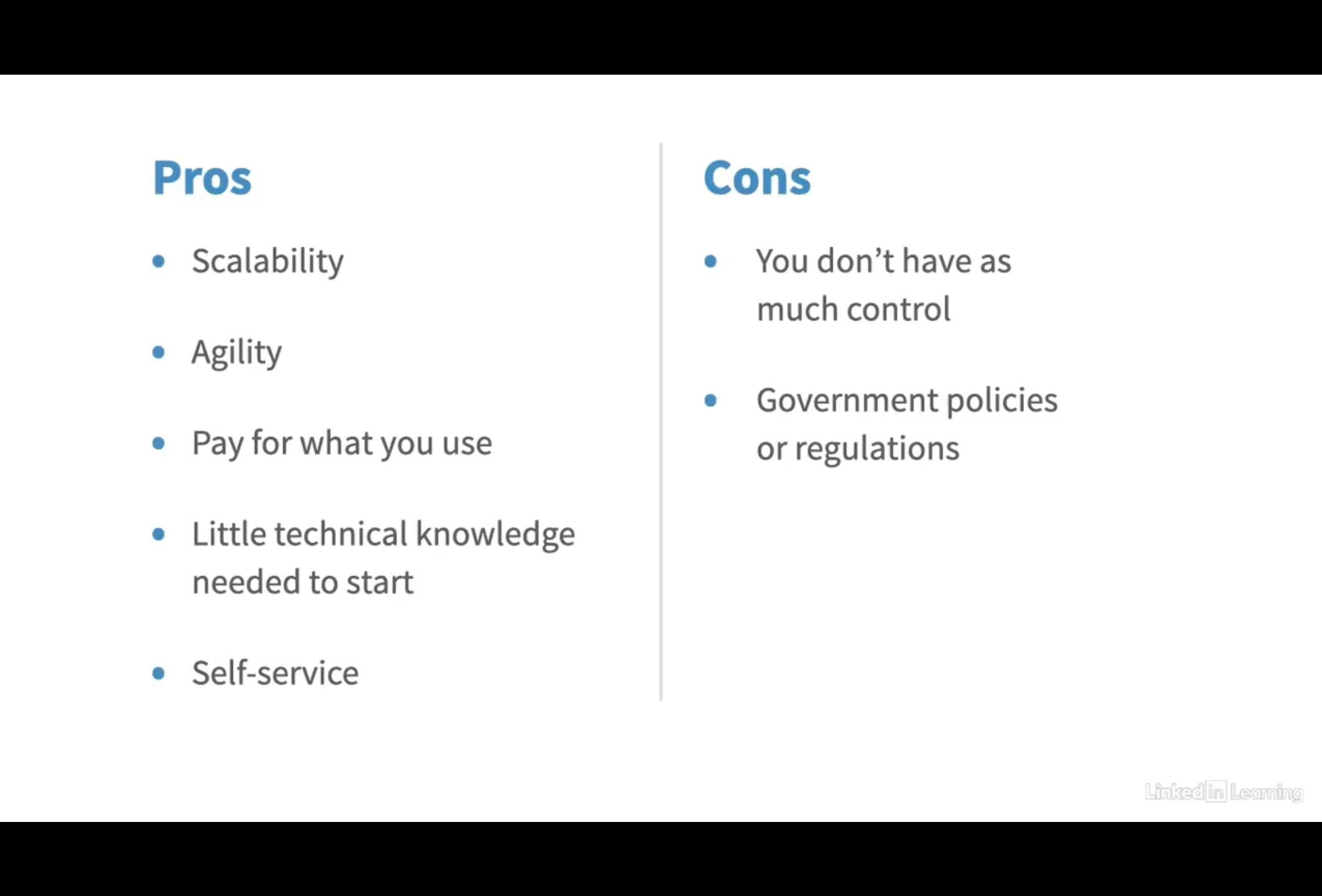
Pros
- Scalability: Virtually unlimited computing resources available on demand
- Agility: Quickly adapt to market changes
- Pay for what you use: Control costs by paying only for consumed resources
- Low barrier to entry: Minimal technical knowledge needed, especially with PaaS
- Self-service: Resources ready to deploy whenever you need them
Cons
- Less control: You cede infrastructure control to a third party
- Regulatory constraints: Some organizations have policies limiting public cloud use, especially across borders
However, regulations are becoming more flexible, and Microsoft continues building new Azure regions worldwide to meet data residency requirements.
Learn More
This content is from my Microsoft Azure Fundamentals (AZ-900) Exam Tips course on LinkedIn Learning.